










 Availability for emergency
Limestone is a sedimentary rock which is formed at the bottom of the ocean. It consists wholly or mainly of calcium carbonate. In its pure state it is white but it may be coloured by other materials. This calcite is sourced primarily from the shells and bones of marine organisms. The sediment that builds up preserves these organisms into fossils. Over millions of years heat and pressure cause a chemical reaction which turns this sediment into limestone.
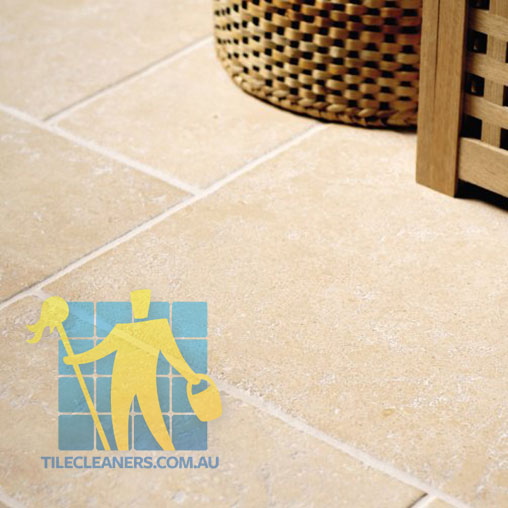
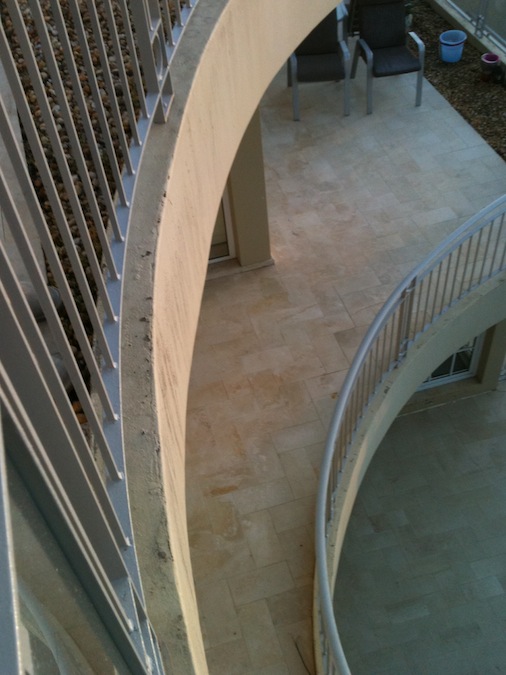
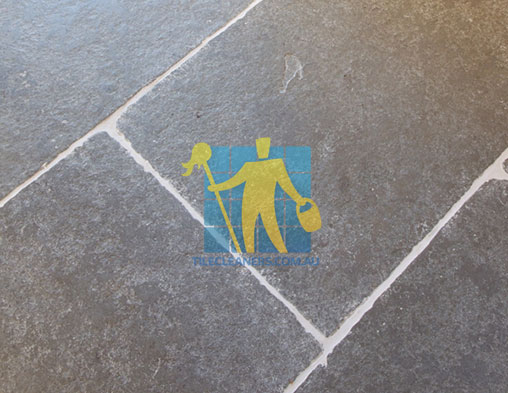
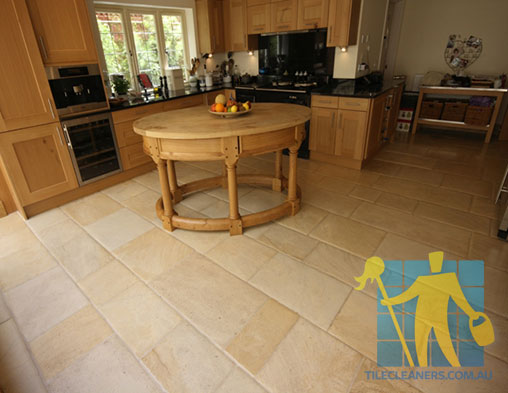
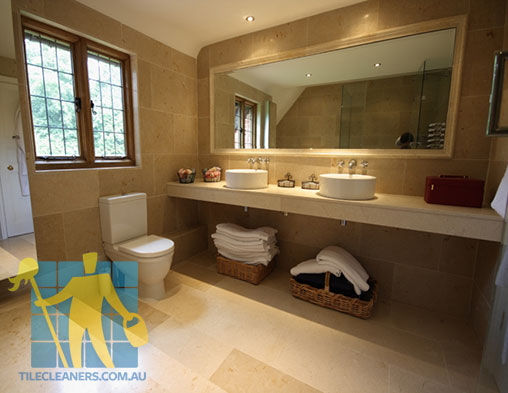
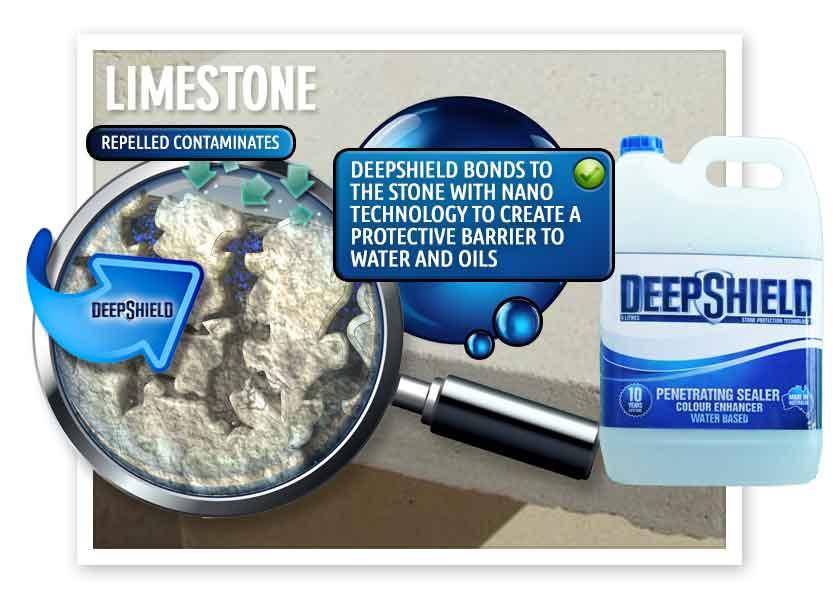
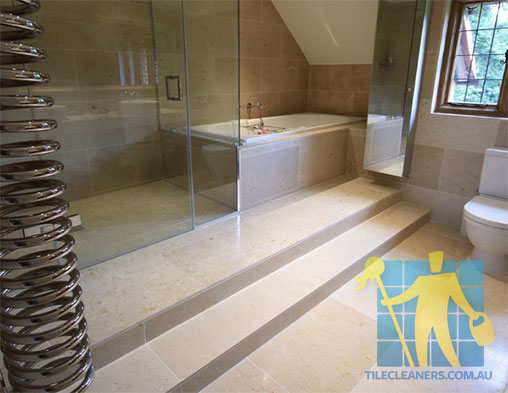
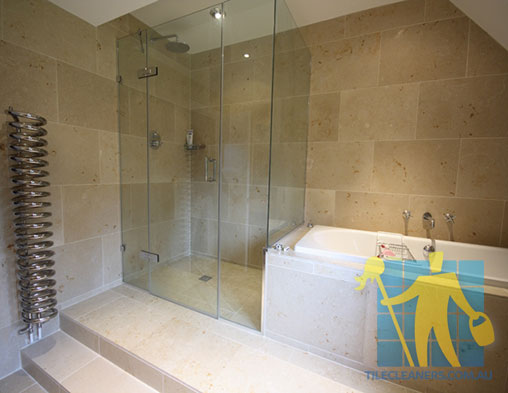
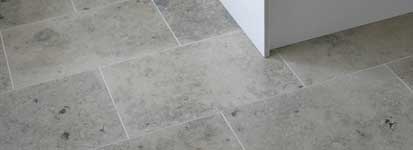
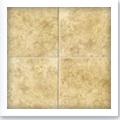
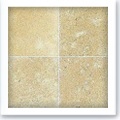
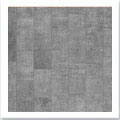
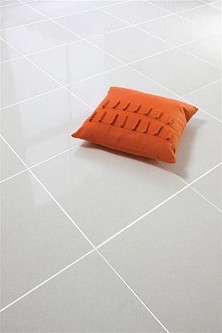 Many older buildings have durable limestone flooring, the chalky porous type with a smooth granular surface typical of most French and Spanish limestone. This variety does stain easier than marble, varies in hardness and does become etched by acids including soft drink, as well as absorbs oils and other liquids. Common colours are black, grey, white, yellow and brown. Limestone should be sealed with a penetrating sealer to prevent staining and reduce soiling and should only be cleaned with neutral pH detergents. Because it is soft, limestone should never be cleaned at pressures above 800 PSI and then only if the grout is in good condition.
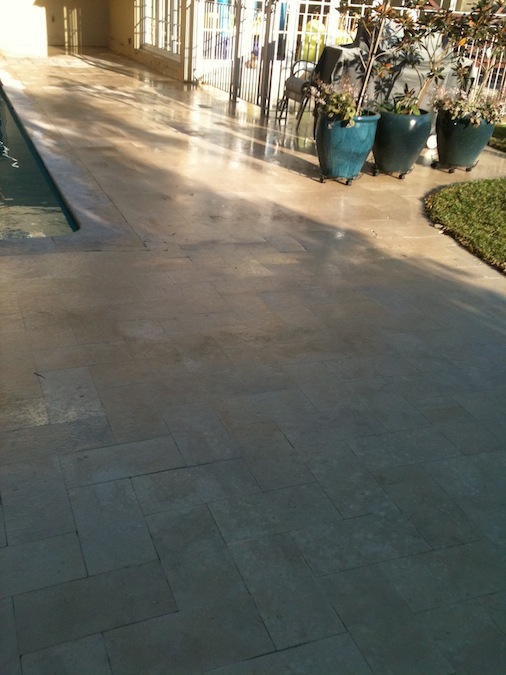
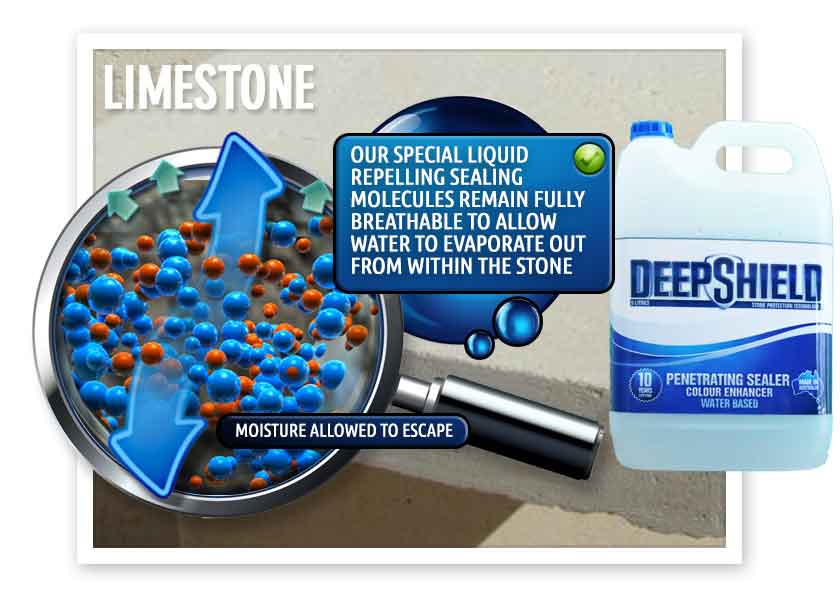
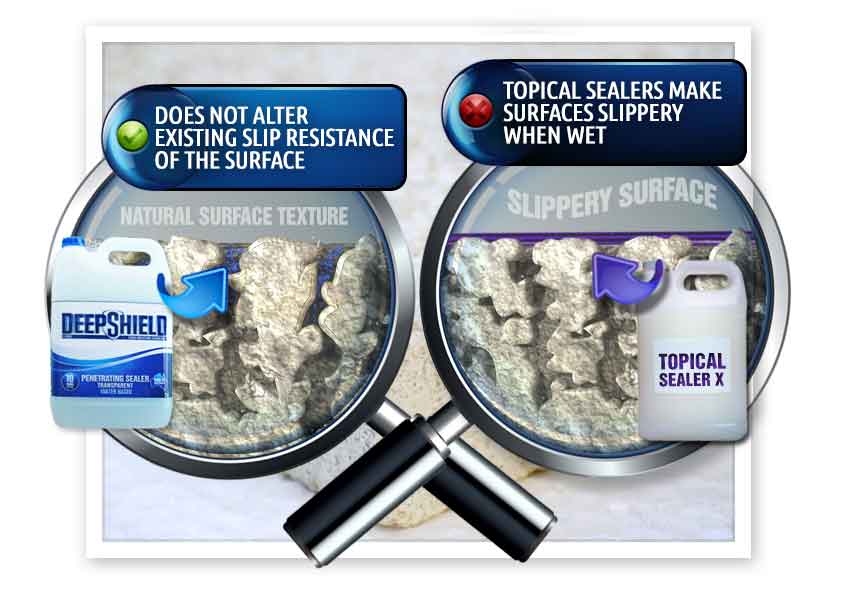
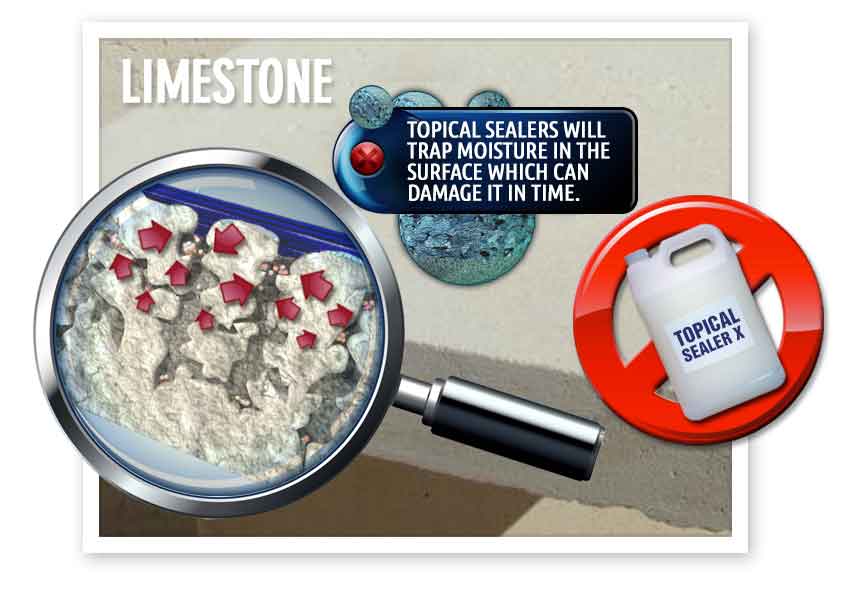
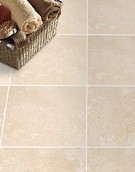 Tile Cleaners® technicians are the experts at applying all types of sealer and will ensure your limestone looks its absolute best. Tile Cleaners® experienced technicians can apply a topical sealer when especially required to create a high gloss, satin sheen or matte finish to your surfaces. Topical sealer is also helpful in situations where the old solvent based sealer can not be completely removed or when required to hide certain types of damage. Topical sealer's have a life expectancy of around 3 years.