












- Stone Tile Cleaning
- FAQ's
- 0423 011 301
We are a proud to be a professional team committed to ensuring that your stone tiles will be treated in the most effective and efficient manner possible. We guarantee that we will maintain the highest level of appearance of your tiles, contributing to a healthy indoor environment for you, and ultimately extending their life.
Our policy is to give our customer the peace of mind that their stone tiles have been well looked after with the best treatment and products available. What we most enjoy about our work is providing customer satisfaction.
Whatever your needs, we will find the best solution at a reasonable price; we will answer all your questions and guide you with our best maintenance tips.
You can rest assured that we are not in the business of providing what you do not need. Our job consists of keeping your stone free from dirt, maintaining protection and finish, and, only when necessary, repairing and restoring. Your continued custom is our sole aim.
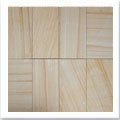
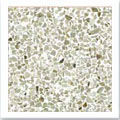
We specialise in the professional care and maintenance of almost all types of natural stones such as: marble, granite, limestone, sandstone, travertine, portland, slate, victorian tiles. Also ceramic, porcelain and quarry tiles.
Our services include:
Working with complete flexibility we adapt ourselves to the client requirements, we provide the customer with a quick, professional and accurate service at a very competitive price.
We provide no obligation quotations with no hidden costs. You can be sure that we do an honest and professional job, and if there is a problem we will always be available.
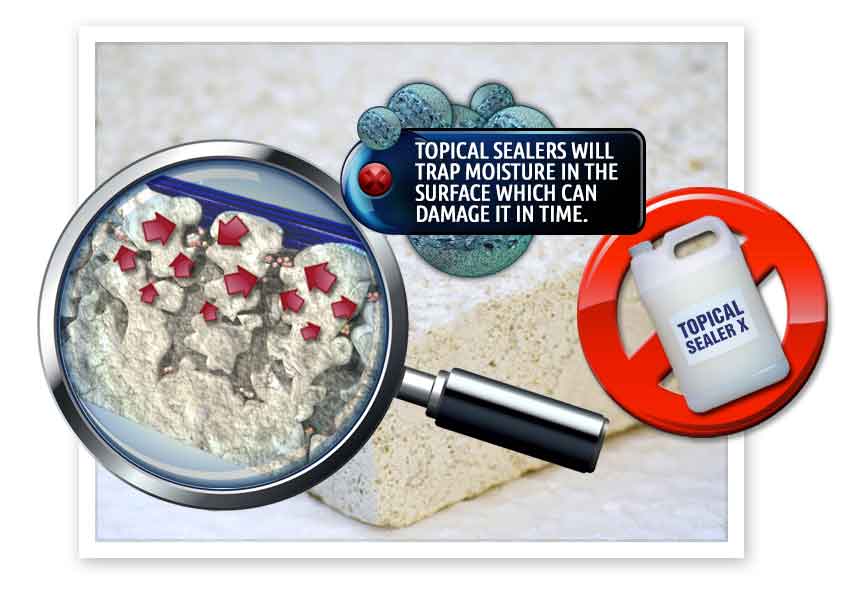
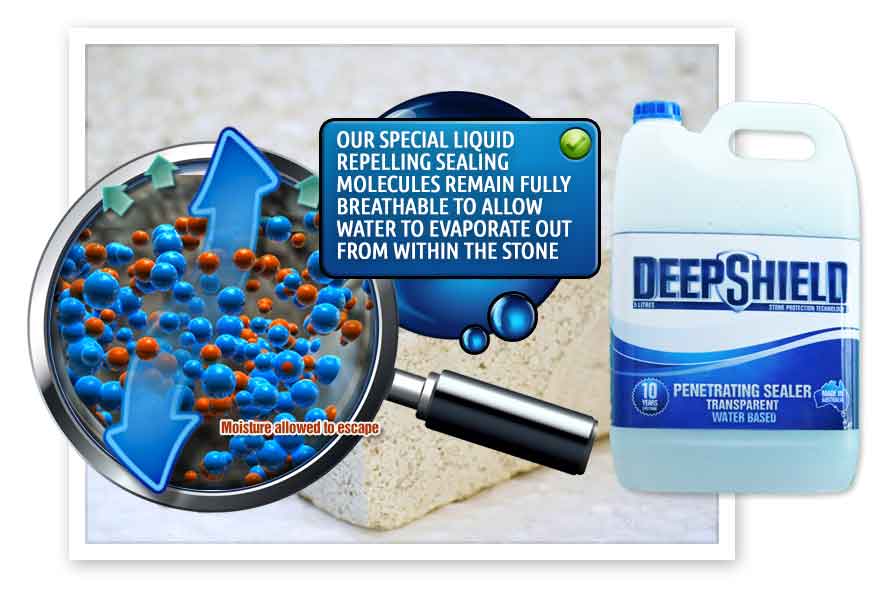
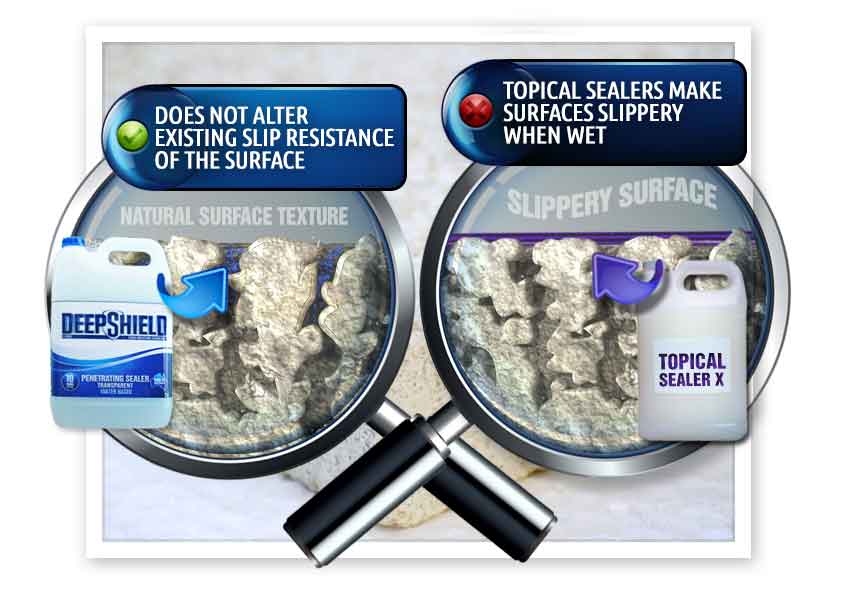
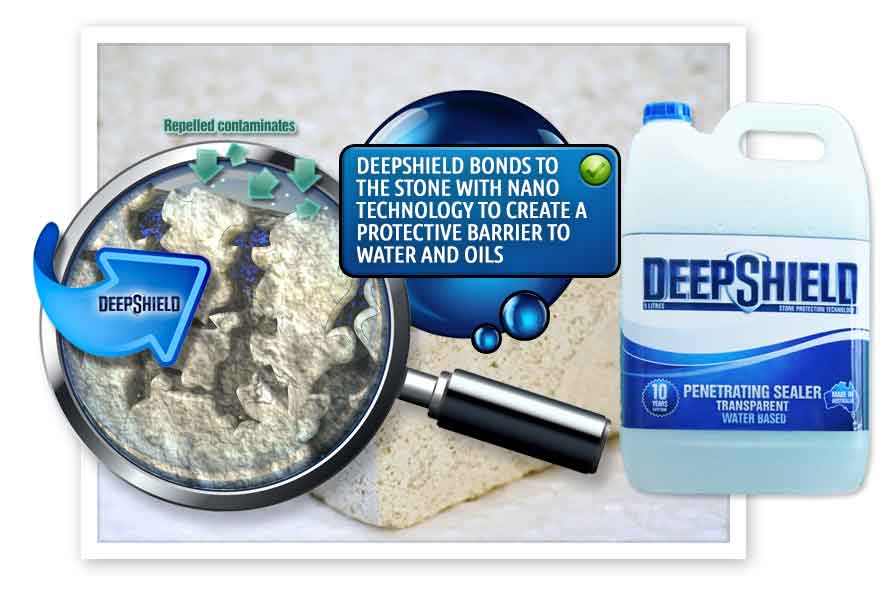
Most stone floors are actually quite porous and are prone to scratching, staining and fracturing. They also needs to be allowed to breath, instead of being covered by synthetic sealers or urethane. We offer the right solution to protect your Stone by using highly penetrating impregnators.
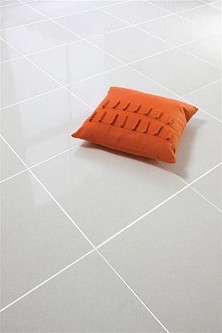
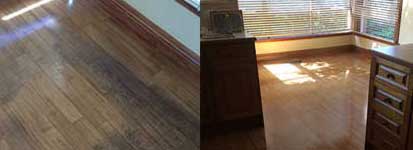
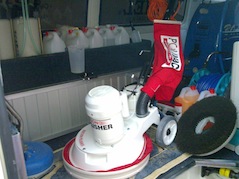
The primary cause for polished stone floors becoming dull is walking on them. Prolonged foot traffic grinds and packs in dust, sand, and grit. Although the scratching that occurs is very fine, it eventually covers the majority of the surface and over time dulls the finish to the point where it loses its reflective properties. To make your stone surfaces smooth and reflective, we employ the use of high speed polishers.
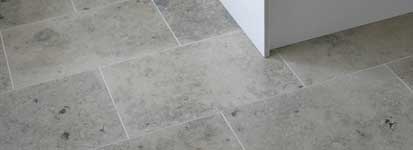
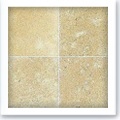
Many older buildings have durable limestone flooring. This is the chalky porous type typical of most French and Spanish limestone. Etched by acids, including soft drinks. Absorbs oils and other liquids and is more easily stained than marble. Composed of Calcite and some Magnesium. Common colors are black, gray, white, yellow and brown. Has a smooth granular surface. Varies in hardness. Should be sealed with a penetrating sealer to prevent staining and reduce soiling. Should only be cleaned with neutral pH detergents. Because it is soft, it should never be cleaned at pressures above 800 PSI and then only if the grout is in good condition.
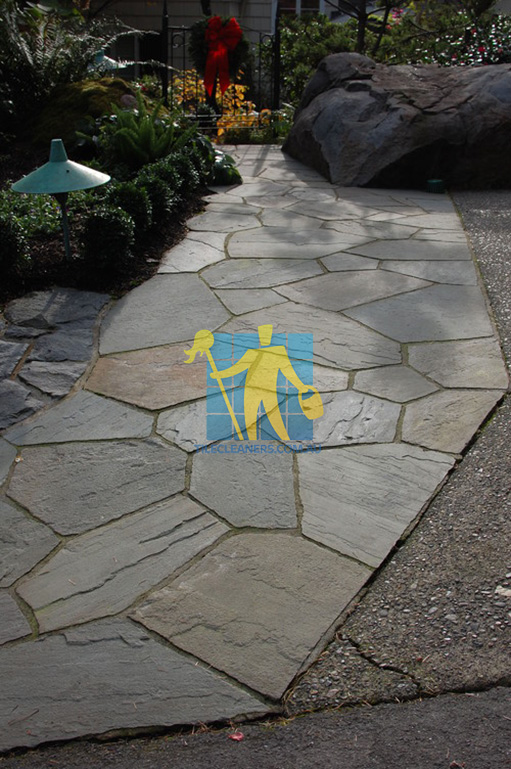
Professional regular maintenance will be required to maintain its honed or polished appearance. Limestone looks best with a honed or low/medium sheen appearance however many people insist on a high shine finish. Limestone will never have the gloss of marble or granite. Some low calcite limestone can be extremely difficult to polish and therefore vitrification would be required. Vitrification however can give the stone an unnatural plastic appearance if repeated too often.
Remembering that stone tiles are produced in nature, their color and general appearance may vary greatly. This makes stone tile quite unique and beautiful when installed correctly. Each stone type and its composition have characteristics that need to be considered for each application. For example, some stone is soft and easily abraded. There are types of stone tiles that are easily attacked by common household acids. Finally, there are very hard stone types virtually impervious to these same problems.
What type of stone is available in tile form? The most common stone tiles are:
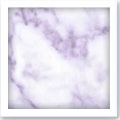
MARBLE: Flooring, Fireplaces, Vanities, and Shower/Tub surrounds.
Note: Black and green marble require special setting material due to their tendency to curl and wrap when absorbing water. Polished marble is not recommended in food preparation areas or any areas where contact with acids bearing substances are present. Acid even in small amounts will etch and dull the polish. This includes bathrooms below toilets and urinals where the marble will remain unprotected by mats, ETC.
The exception for marble in the food preparation areas would involve the use of "tumbled" marble where there is not a polished surface for the acid to etch.
Keep in mind that polished marble is very slick when wet.
Penetrative sealing is recommended.
GRANITE: (Basically on any surface). Flooring, Vanities, Kitchen counters, Fireplaces, Shower/Tub surrounds.
Keep in mind that polished granite is very slick when wet.
Penetrative sealing in recommended.
LIMESTONE: Flooring and Fireplaces.
Sensitive to acidic attack.
Penetrative and or sacrificial sealing recommended.
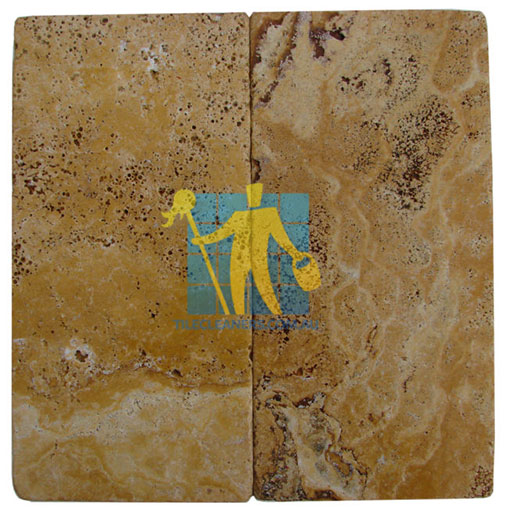
TRAVERTINE: Flooring, Fireplaces, and Vanities.
This type of stone, in polished form, is sensitive to acidic attack just like marble. So it would not be recommended for food service areas or where acid bearing substances are present. The exception would be in a "tumbled" form where no polished surface is present to be etched.
Polished travertine is very slick when wet.
Penetrative sealing is recommended.
QUARTZ BASED: Flooring, Fireplaces, Bar tops, Vanities, Shower/Tub surrounds.
Very similar to slate in that flaking and chipping will occur especially in the un-gauged variety. May not be suitable in areas where bare feet may be present due to chipping and flaking.
This variety of stone is commonly stabilized into agglomerates with cementitious or epoxy based resins to produce slabs and tile shapes. In this form, the Manufacturer will make recommendations for its use.
Penetrative and or sacrificial sealing is recommended.
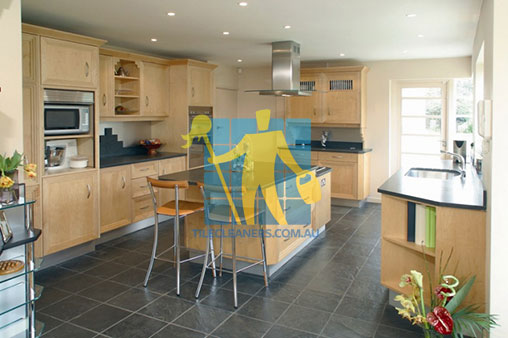
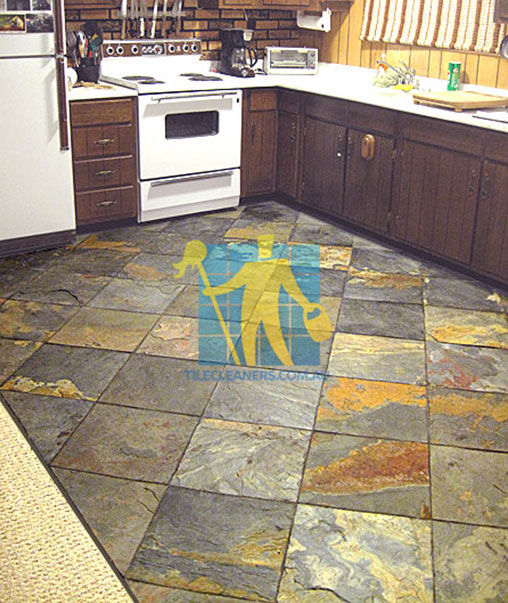
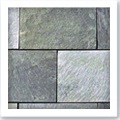
SLATE: Flooring, Fireplaces, Bar tops, Vanities, Shower/Tub surrounds.
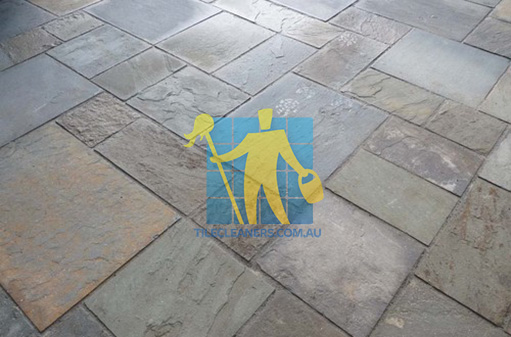
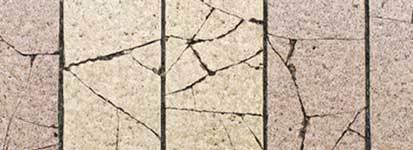
Just like the quartz-based stone, un-gauged slate is prone to chipping, flaking and peeling. This can make cleaning, disinfecting, and general maintenance problematic. Design and job requirements will have to reflect these inherent qualities.
Penetrative and or sacrificial sealing is recommended.
All of these stone tiles mentioned above are available in a wide array of sizes and colors.
For information about sealing your stone floors please visit our Stone Tile Sealing section.
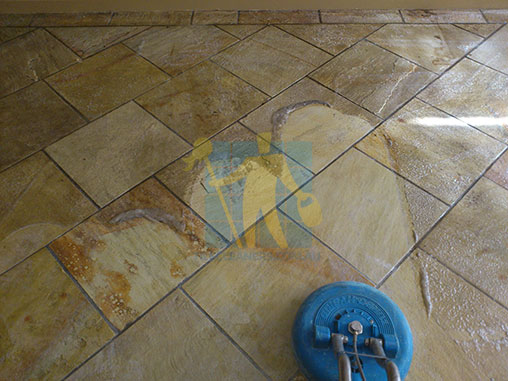
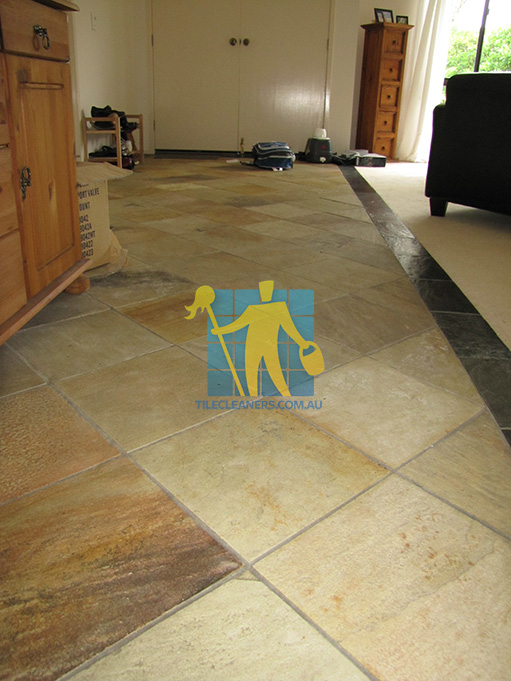
Our Stone Floor Restoration service will bring back your limestone tiles & grout to its best possible condition, and protect them for years to come.
Here are some recommendations for routine care and cleaning of your stone tiles:
Do’s:
Don’ts:
The natural variations on your stone surface can easily loose their appealing qualities, due to damage resulting from everyday wear and tear. Natural Stone is absorbent and has a mineral chemistry that can react in strange ways to conventional cleaners, making the proper selection of cleaners is essential for daily basis maintenance of your natural stone surface. Some variation of stones can absorb liquids and oils causing discoloration. Having your stone treated with a penetrating impregnating sealer can diminish this. It is recommended that a sealer is applied every year, and that the floor is fully stipped and sealed by a professional once every 3-5 years depending on the type of stone its made from.
Dust-mop interior floors frequently using a clean non-treated dry dust mop. Sand dirt and grit do the most damage to natural stone surfaces due to their abrasiveness. Mats or area rugs inside and outside an entrance will help to minimize the sand, dirt and grit that will scratch the stone floor. Be sure that the underside of the mat or rug is a non-slip surface. Normally, it will take a person about eight steps on a floor surface to remove sand or dirt from the bottom of their shoes. Do not use vacuum cleaners that are worn. The metal or plastic attachments or the wheels may scratch the surface.
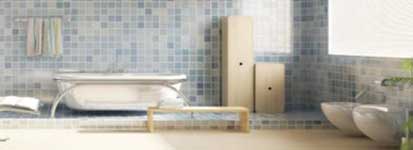
In the bath or other wet areas, soap scum can be minimized by using a squeegee after each use. To remove soap scum, use a non-acidic soap scum remover or a solution of ammonia and water (about 1/2 cup ammonia to a gallon of water). Frequent or over-use of an ammonia solution may eventually dull the surface of the stone. You need to have a penetrating sealer applied. Hard water or soap scum may damage the lustre of your natural stone. For tile shower or floor, we suggest having your grout cleaned and sealed periodically to prevent mildew.
To schedule your cleaning appointment or to obtain a free estimate, please Call 0423 011 301 or use the online enquiry form at the top of the page.